
What is Convection Heat? What is Radiant Heat?
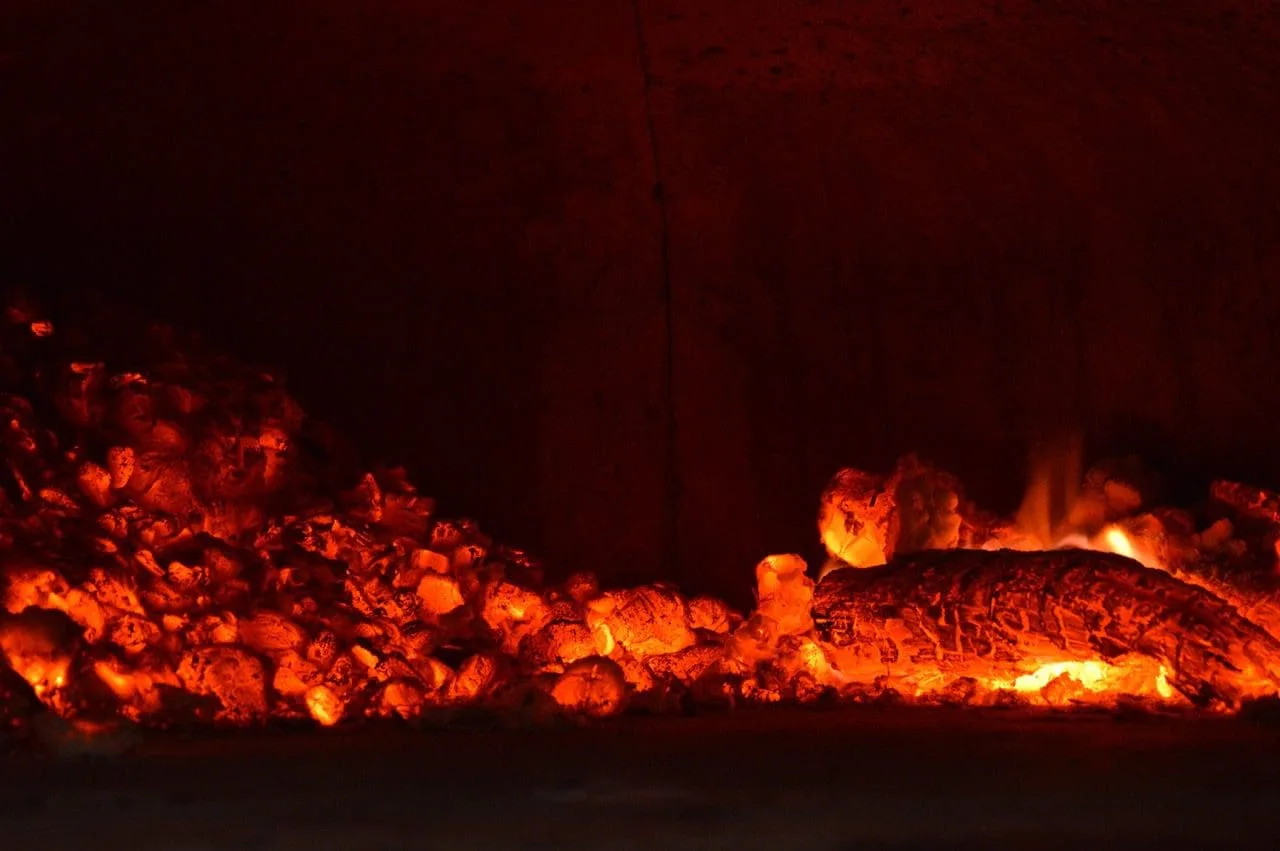
Nearly all of us have experienced convection heat. Car dashboard heaters, baseboard heaters, and even your hairdryer function similarly; air moves over hot surface area to effectively distribute heat. But there is another form of heat, radiant heat, the kind you feel when the sun is shining and you feel its warmth. This type of warmth comes from the objects themselves radiating heat and tends to hold temperatures longer and more consistently.
Fireplaces can include both of these forms of heat. So what’s the difference? And what are the pros and cons of each? We’ll dive more into the unique characteristics below.
Effectiveness of Fans for Radiant and Convection Fireplaces
For some, the debate for and against fans on stoves and fireplaces is a point of contention. There are arguments favoring both sides. Here is our take:
For products with integrated fan designs, there’s evidence that efficiency is increased when the fan is in use. While this increase is real, it may be hard to measure in terms of how it feels.
How Fans Affect Radiant Heat Fireplaces
If a product is designed primarily as a radiant heater, then the presence of a fan often makes little difference in the amount of warmth you experience. Products designed for radiant heating will have very little if any benefit from the addition of a fan. Where they have been tested, the efficiency difference is approximately 2% to 3%.
How Fans Affect Convection Heat Fireplaces
If the product is designed as a convective heater, then the fan is apt to be more significant.
Power Outages
Keep in mind that most of our stoves and fireplaces are meant to work even when the power is out. When this happens the fan will not function. While there may be some drop in efficiency it isn’t significant and the stove or fireplace will continue to provide warmth.
The electrical requirement for fans means additional installation costs if power is not already present in that location. This is especially critical when inserts are installed in existing fireplaces.
Fan Noise
While fan technology has improved, there is going to be a certain amount of noise when they are in operation. Controls enable us to lower their operating level and their output, but if the room is quiet you are likely to hear it. Most of the fans utilized on fireplaces are capable of moving a maximum of 100 to 150 CFM. This means you will certainly feel the warm air when you are within 2 or 3 feet of the fireplace. However, this is typically not enough air movement to move heat from one room to another. Natural air currents in the house will be responsible for that.
If the fireplace you like and select has an integrated fan – don’t think twice. It will be great, and with or without power the fireplace will still heat. If the fan is optional on the product you select then consider the expense of adding the fan relative to the benefit. How are you going to use the space? How open is the floor plan? While considering these items also consider that a blower is a nice thing to have but it is not a must-have. You will likely find that a radiant heater without a blower will do a great job of keeping you warm. If you are still unsure how to answer the question, schedule a time to chat with one of our sales professionals to review fireplace options best suited for you.